
2421 Westport Parkway, Suite 1000, Fort Worth, TX 76177

At the office of J.Patrick Wharry, DDS, we focus on nurturing healthy, confident smiles for children at every stage of development. Pediatric dentistry is not just about treating teeth — it’s about teaching families how to prevent problems, supporting normal growth, and creating positive experiences that shape lifelong habits. Below you’ll find a clear, practical guide to how we care for infants, children, and teens in a thoughtful, child-centered environment.

Healthy teeth begin with consistent, simple routines that fit into family life. We help parents establish easy practices for infants — like wiping gums after feedings — and progressively introduce brushing skills as teeth emerge. The goal is practical, age-appropriate guidance that feels achievable rather than overwhelming, so families can sustain care long term.
Instruction is paired with demonstration. We show caregivers how to brush and floss effectively, recommend when to begin supervised brushing, and explain how small changes in snacking and drink choices reduce decay risk. Rather than handing out a list of restrictions, we focus on realistic adjustments families can make within the rhythm of daily life.
Because each child develops at a different pace, our recommendations are tailored to the child’s stage. We advise on when to introduce fluoride toothpaste, how to manage teething discomfort safely, and how to encourage independence while maintaining proper technique until children can brush thoroughly on their own.
Children do best in an atmosphere that feels predictable and reassuring. Our clinical team uses clear, age-appropriate language and gentle behavior management to minimize anxiety and build trust. Whether a visit is a routine exam, a cleaning, or a more urgent procedure, we prioritize comfort and a steady, supportive approach.
Exams for kids look beyond cavities: we assess gum health, tooth alignment, jaw function, and habits such as thumb-sucking that can affect development. When imaging is needed, we use modern digital radiography to limit exposure while getting the information necessary to make sound decisions early.
Cleanings remove plaque and deposits that home care can miss, and we pair clinical care with practical tips for home. Treatment plans are discussed with parents in plain terms, outlining what to expect and how to support recovery, so families feel informed and involved in every step.
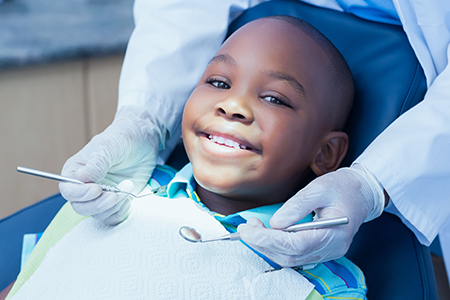
Regular dental visits serve as milestones for a child’s oral growth. At each checkup we track how teeth are erupting, how the bite is forming, and whether the gums and supporting tissues are healthy. These visits let us spot trends early so we can recommend preventive steps or interventions before problems progress.
Routine appointments are also when we determine the need for added protection, like fluoride varnish or sealants on newly erupted molars. We evaluate a child’s individual risk factors — diet, oral hygiene, medical history — to make personalized recommendations rather than applying one-size-fits-all solutions.
Because prevention is more effective and less invasive than repair, these appointments are an ideal time for education and planning. We work with families to set up realistic home care goals and to time any necessary treatments so they integrate smoothly into a child’s schedule.
Tooth decay can progress quickly in young children, leading to pain and disruption if left unchecked. We identify behaviors and conditions that raise risk — frequent sugary drinks, nighttime bottle feeding, or inconsistent brushing — and concentrate preventive efforts where they will make the most difference.
Preventive tools like topical fluoride and sealants are applied selectively based on a child’s needs. Sealants protect deep grooves in permanent molars, while fluoride treatments strengthen enamel and reduce the likelihood of cavities. These measures are evidence-based and commonly used to reduce future restorative work.
Prevention also involves removing barriers to consistent care. We help families build routines, choose tooth-friendly snacks, and find small, sustainable changes that lower decay risk without creating stress or shame around oral health habits.
Start early: clean gums from birth and use a soft brush once teeth appear to establish familiarity with oral care.
Make brushing twice daily and flossing when teeth touch a predictable family routine so children learn by watching caregivers.
Limit frequent sugary drinks and avoid putting infants to bed with bottles of milk or juice; water preserves oral health between meals.
Keep regular dental visits so small issues are caught early and families receive timely, practical guidance.
Supervise brushing until a child demonstrates consistent, effective technique and is mature enough to spit out toothpaste.
Offer meals and snacks that are tooth-friendly and minimize constant snacking or sipping, which can increase decay risk.
Address persistent pacifier or thumb-sucking habits gently before they begin to influence tooth alignment.
Protect smiles during sports with a custom-fitted mouthguard to reduce the chance of injury during play.

Primary teeth begin developing long before they appear in the mouth, and the first dental visit — usually around the first birthday — establishes a baseline for future care. That early appointment is brief and focused: we answer questions, demonstrate gentle care techniques, and help families feel comfortable with what to expect next.
We discuss safe ways to soothe teething discomfort, when to introduce a small smear of fluoride toothpaste, and how to protect newly erupted teeth. Early visits also allow us to detect any developmental concerns and to advise on habits that may affect growth.
Keeping baby teeth healthy supports normal speech, chewing, and proper spacing for permanent teeth. When we identify issues early, we can often use minimally invasive approaches that preserve tooth structure and reduce future restorative needs.
Elementary and middle school years bring changes in activity level and independence, and with them new dental considerations. Children who play sports benefit from custom mouthguards; those with early signs of crowding or bite concerns may be scheduled for observation or referred for an orthodontic evaluation when appropriate.
When restorative care is necessary, materials and techniques are chosen with a child’s durability and comfort in mind. We favor conservative approaches that protect healthy tooth tissue and restore function while minimizing the time a child spends undergoing treatment.
Ongoing monitoring during these years helps us spot emerging orthodontic or growth-related issues. Timely observation and communication with specialists allow for coordinated care that can simplify treatment down the road.
Adolescence is a bridge between pediatric and adult dentistry: permanent teeth are in place, and teens begin to take on responsibility for their own oral care. We focus on helping them develop reliable routines, recognize risks like poor hygiene around orthodontic appliances, and make informed choices about cosmetic concerns at appropriate ages.
We maintain a watchful eye on bite development and facial growth, and we advise families about the optimal timing for orthodontic evaluations. Preventing decay during orthodontic treatment is a priority, and we provide strategies to protect enamel around brackets and wires.
As teens transition out of pediatric care, our goal is to leave them confident in their oral health habits and prepared for continued, independent dental care into adulthood.
Our practice follows rigorous infection-control and sterilization standards consistent with national guidelines. You can expect a clean, organized clinical setting and transparent explanations of procedures and follow-up care. We aim to make safety, comfort, and clear communication central to every visit.
We are available to help families manage dental anxiety, coordinate care for children with special needs, and respond to urgent concerns promptly. Our emphasis is on evidence-based care delivered with compassion so parents feel supported and children feel respected.
If you’d like to learn more about pediatric dental services or arrange a visit, please contact us for more information. J.Patrick Wharry, DDS is committed to helping your child achieve a healthy, confident smile.

A pedodontist is a dentist who has received advanced specialty training in meeting the dental needs of children from infancy to adolescence. Pedodontists, also referred to as "pediatric dentists," study child psychology, behavior management, caring for children with special needs, methods of handling oral/facial trauma, and various techniques for providing anesthesia and sedation. Pedodontists also understand the complexities of facial growth and development and have the clinical skills required to meet the dental needs of all children at every stage of development. Most of all, pedodontists are passionate about what they do and enjoy working with children. They strive to make every dental experience a positive one as they help children establish a strong foundation for good oral health.
Even before your child is born, their first set of teeth is already forming. In fact, by one year of age, some of your baby's front teeth will have already come into place. While the arrival of your baby's first teeth is only one of many developmental milestones, it represents an excellent time to begin a program of oral care. According to recommendations from the American Dental Association, babies should see the dentist around the time of their first birthdays.
Your baby's first teeth typically begin to appear in the 6 to 12-month range. While this is an extraordinary milestone, you need to be aware that your baby may find the experience a little bit uncomfortable. Teething can make babies feel irritable. They may be fussy, have trouble sleeping, not want to eat, and drool quite a bit.
Although you are powerless to speed up the process of teething, there are a few things that you can do to soothe your baby as the new teeth are erupting into place. Common approaches to helping your baby feel more comfortable while getting new teeth, include teething rings or a cold spoon or moist gauze rubbed over their gums.
Even for these few new teeth, it's absolutely essential to establish an effective regimen of oral care. For information on when your baby's first set of teeth will erupt into place, consult this timeline from the American Dental Association: Eruption Charts
Some children persist in sucking their thumbs or fingers beyond their preschool years. For these children, the activity continues to be a source of comfort, relaxation, and security. It may even help them fall asleep at night. However, it's essential to be aware that in the long-term, a finger sucking habit is not healthy.
If your child's thumb or finger sucking habit is still present when the permanent teeth begin to come in, your child is at a higher risk of developing a bad bite. By the age of five or six years, you need to constructively and gently help your child stop the habit.
It's also a good idea to have a comprehensive evaluation at this time. Your pedodontist can assess if there are any habit related alterations to the alignment of your child's teeth or jaws, or if it is affecting their speech or swallowing patterns. They can also discuss habit control strategies with you, as well as follow your child's bite and facial development as they grow. If interceptive appliances or corrective orthodontic care are recommended, the timetable and best options in care will be explained in complete detail.